IN SHORT
- Most dogs should score 4 or 5 out of 9: ribs easy to feel, a waist from above, a tucked belly from the side.
- Body weight alone cannot separate a heavy-coated dog from a fat one. Use your hands, not just the scale.
- Check monthly and write the score down. A change of one point, or 5% of body weight, is worth a closer look.
BCS is a screening tool, not a diagnosis. Sudden weight or muscle loss, a score below 3/9 or above 6/9, lameness, or a changing appetite should be assessed by a veterinarian.
1. Why the number on the scale is not enough
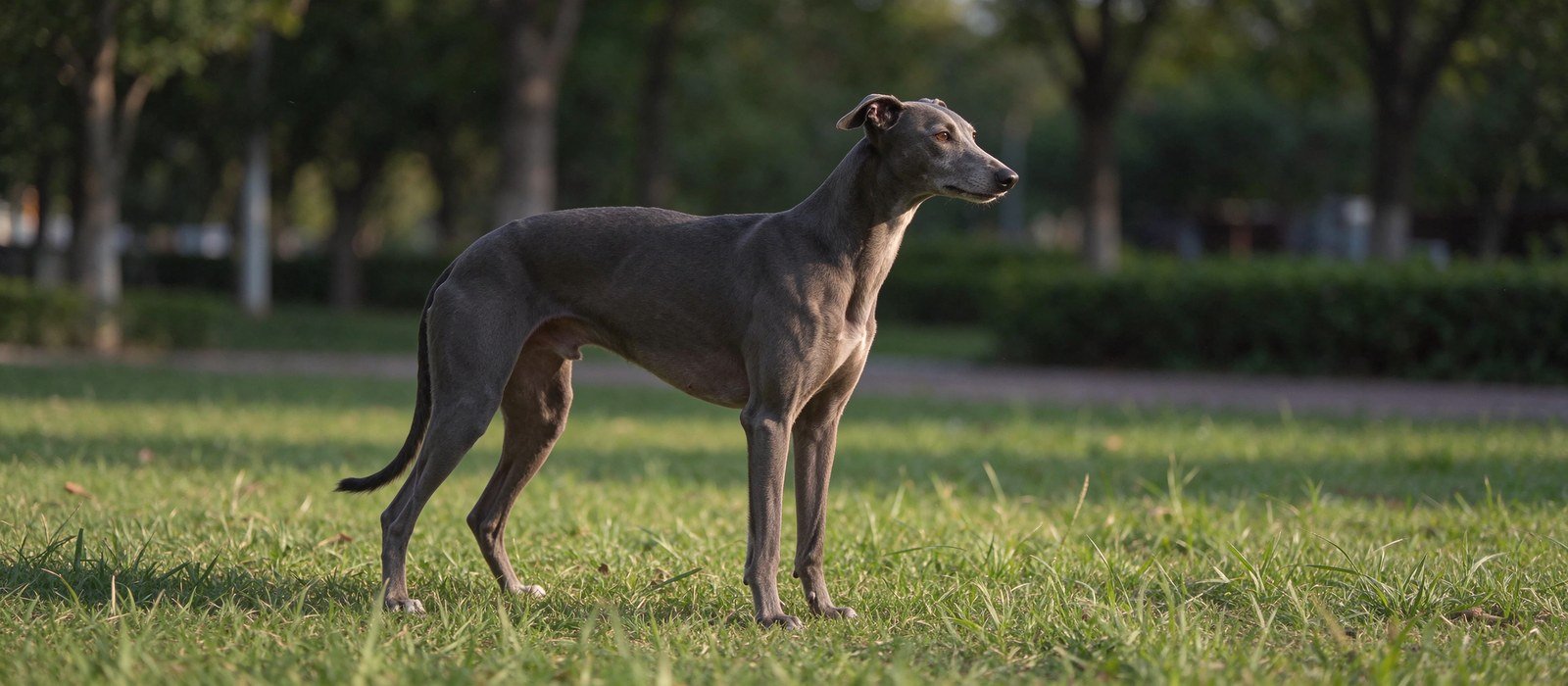
Two dogs can weigh the same and carry very different amounts of fat. A lean, muscular 30 kg dog and a soft 30 kg dog may share a weight but not a health risk. Breed matters too: a bulldog and a greyhound are not built to the same silhouette, and a thick winter coat can hide a waist completely.
Body condition scoring estimates fat cover by looking and feeling at three places: the ribs, the waist behind the ribs, and the belly line from the side. It is not a diagnosis and it does not measure muscle, but it is the fastest practical way to tell whether a dog is drifting up or down.
2. The 9-point scale, in plain terms
| Score | What your hands find | What you see |
|---|---|---|
| 1–3 | Ribs, spine and hip bones easy to see or feel; little or no fat | Very narrow waist; bony outline |
| 4 | Ribs easy to feel under a thin layer of fat | Clear waist and abdominal tuck |
| 5 | Ribs felt without pressing hard, with slight fat cover | Waist visible; belly tucked |
| 6–7 | Ribs harder to find; fat over the lower back and tail base | Waist faint or absent; tuck reduced |
| 8–9 | Ribs buried under heavy fat; need firm pressure to feel them | No waist, rounded belly, fat on neck and limbs |
Dogs are usually scored at 4 or 5 out of 9. Cats use the same scale but sit ideally at 5/9. Do not score a dog immediately after a meal, and do not score a long-haired dog by sight alone.
3. The three checks
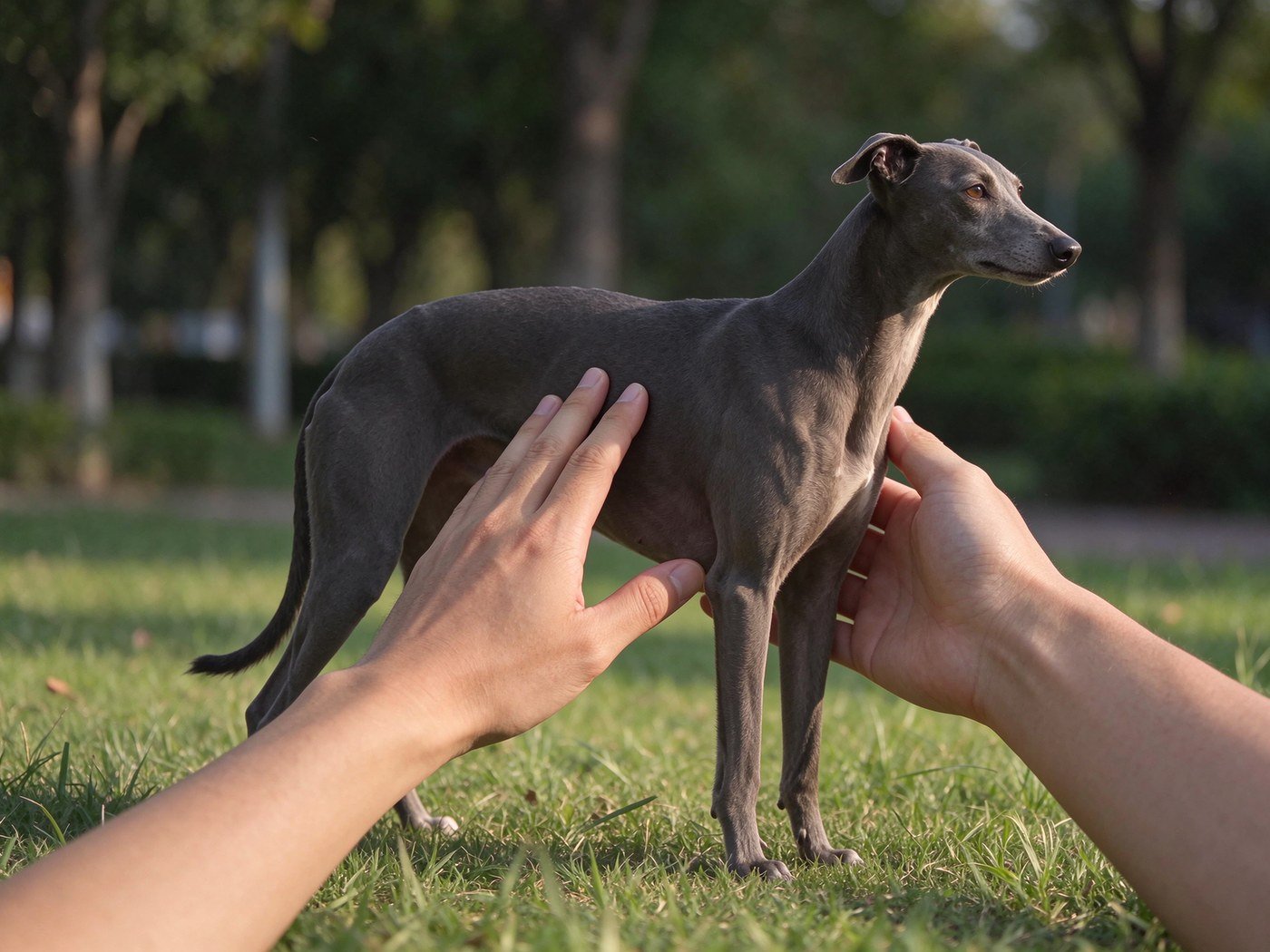
Eyes. Stand the dog square on a level floor. From above, the body should narrow slightly behind the rib cage, making a soft hourglass. From the side, the belly should rise from the rib cage toward the hind legs. A flat or drooping belly line is a warning.
Hands. Place both thumbs on the spine and spread your fingers over the ribs. You should feel each rib under a thin cushion, without digging. Then feel the lower back and the base of the tail; heavy padding there is a common early sign of surplus.
Consistency. Use the same spot, the same standing position and the same lighting each month. A score is only useful as a trend. Take a photo from the side and from above on the same day; visual drift is easier to see across months than in a single glance.
4. What the score means
1–3. Underweight. Check appetite, teeth, digestion, energy and recent weight loss. A dog that is thin without a reason needs a veterinary visit, not a bigger scoop.
4–5. Ideal. Keep the current feeding plan and recheck monthly. This is the target, not a range to improve past.
6–7. Overweight. Cut the daily calories by roughly 10%, count treats and scraps, and increase gentle exercise. Aim for slow loss, about 0.5–1% of body weight per week, rather than a crash diet.
8–9. Obesity range. This warrants a veterinary weight-management plan. Sudden severe restriction can cause problems, and underlying disease or medication may be part of the cause.
Body condition and muscle condition are separate. A senior dog can be at a healthy weight while losing muscle along the spine and hindquarters. If the weight is stable but the top line looks bony, mention it at the next visit.
5. Track the trend, not just the score
Weigh the dog on the same scale, at the same time of day, about once a month. Write the weight beside the score. A 5% change in body weight without a deliberate diet change is a useful early signal; on a 20 kg dog that is only 1 kg. For a small dog, 5% can be a few hundred grams, so a kitchen scale or a vet scale is more reliable than guessing.
Puppies are still growing, so condition scoring should be interpreted against growth, not an adult target. Senior dogs tend to lose muscle and may need a higher-quality protein diet rather than simply more food.
6. Breed, coat and age caveats
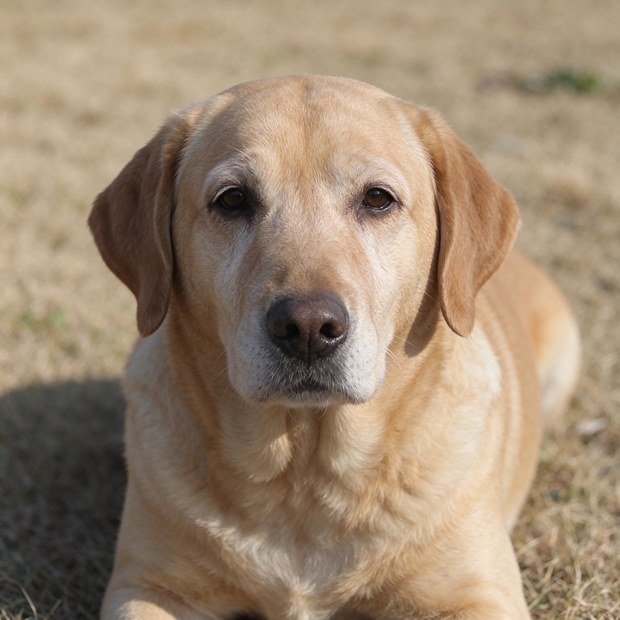
Deep-chested breeds can look tucked even when overweight; stocky breeds can look square when lean. A show-condition bulldog is not the same target as a racing greyhound. Long or double coats hide the waist, so put your hands on the dog every time. A matted or thick coat can also make a thin dog look heavier than it is.
Pregnancy, fluid retention, tumours and some medications change body shape without changing fat. If the score moves quickly and the food has not changed, the next step is a vet visit rather than another diet tweak.
7. When to book the visit
Contact a veterinarian if the dog scores 1–3, scores 8–9, loses 5% of body weight without a planned diet, gains weight while eating a stable portion, or shows new weakness, vomiting, diarrhoea or a swollen belly. A body condition score is a screening tool; it cannot tell you why the change happened.
SOURCES & REVIEW
- Nutritional Requirements of Small Animals — Merck Veterinary Manual.
- Scoring for Health — Ontario Veterinary College Pet Nutrition.
- Dog Body Condition Scoring — Association for Pet Obesity Prevention (APOP).
- 2021 AAHA Nutrition and Weight Management Guidelines for Dogs and Cats — American Animal Hospital Association (AAHA).
Educational information, not a diagnosis or treatment plan. If your pet is unwell, contact a licensed veterinarian; for an emergency, call the nearest emergency clinic.