
IN SHORT
- Cats are usually considered senior from about 10 years; muscle loss can begin before the weight changes.
- An unintentional loss of 5% of body weight is clinically relevant and deserves a veterinary check.
- Hyperthyroidism, kidney disease, diabetes and dental pain are common, treatable causes. Do not assume it is ageing.
Unintentional weight loss, visible muscle loss, appetite change, drinking or urinating more, vomiting, or difficulty eating needs a veterinarian. Weight loss in an older cat is not simply ‘old age’.

1. What changes after ten
Ageing is not one process. Kidney function, thyroid activity, digestion, teeth, joints and muscle all change at different speeds. Some cats keep a healthy weight into their late teens; others begin losing lean mass in middle age. The body may also become less efficient at digesting protein and fat: studies cited in the 2023 AAHA Senior Care Guidelines note reduced protein digestibility in about 20% of cats over 11 and reduced fat digestibility in up to 33%.
That means a senior cat may need a more digestible, higher-protein diet rather than simply “less food”. But appetite, weight and muscle are signals, not a diagnosis. The job at home is to notice the trend early enough to investigate it.
2. The 5% rule
A 5% loss is easy to miss: on a 4 kg cat it is only 200 g. Yet that threshold is used in clinical research and senior care as a meaningful change. Track weight monthly, ideally on a baby scale or by weighing the cat in a carrier and subtracting the carrier.
- Same scale, same conditions. Weigh before breakfast, after the litter box, at roughly the same time each month.
- Write it down. A single weight is noise; three points make a trend.
- Add a muscle score. Feel the spine, shoulder blades and temples. Bony ridges with little muscle cover are a concern even if the scale is stable.
3. Fat loss versus muscle loss
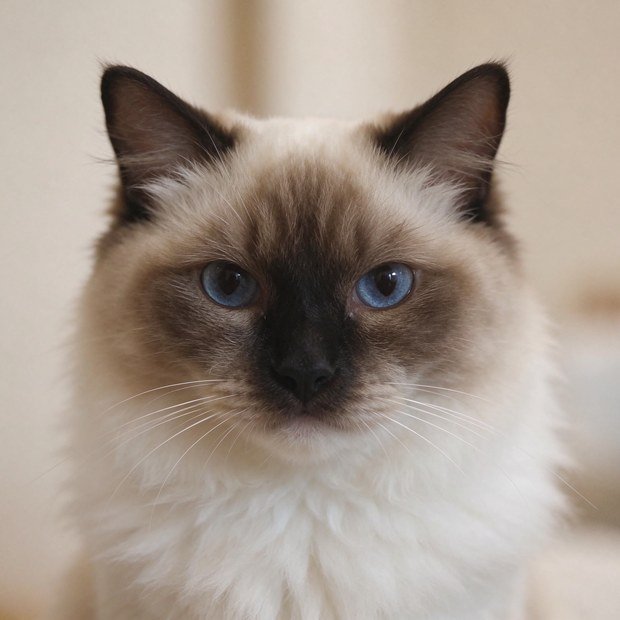
Weight is fat, muscle, bone and fluid added together. A cat can lose muscle and gain fat, leaving the scale almost unchanged. This is why body condition and muscle condition should be assessed together. Body condition tells you about fat cover; muscle condition tells you whether the frame is being supported.
A cat that feels bony along the spine but has a rounded belly may be “skinny fat” rather than simply underweight. Senior cats are also prone to sarcopenia, the age-related loss of lean body mass, which is different from cachexia caused by disease. Both need attention, but they are not the same problem.
4. Common causes of unintentional loss
| Cause | Clues that may accompany weight loss | Why it matters |
|---|---|---|
| Hyperthyroidism | Ravenous appetite, restless energy, poor coat, fast heart rate | Very common in older cats and treatable |
| Chronic kidney disease | More drinking and urination, nausea, dull coat | Early detection can slow progression |
| Diabetes mellitus | Heavy thirst, large urine volumes, hunger | Needs prompt stabilisation |
| Dental or oral pain | Dropping food, chewing on one side, drooling, bad breath | Pain can reduce intake without visible signs |
| GI disease, IBD or lymphoma | Vomiting, diarrhoea, poor appetite, thickened intestine | Needs imaging and often biopsy |
| Arthritis or other pain | Reluctance to jump, stiffness, hiding | Pain and reduced mobility affect eating |
| Cancer or other chronic disease | Lump, lethargy, appetite change, anaemia | Early assessment widens options |
This table is not a checklist for diagnosis. A cat may have more than one condition at once, and some diseases are silent until late. The pattern of signs helps the vet decide which tests to run.
5. Food and appetite in the senior years
Healthy senior cats often need a calorie-dense, highly digestible, higher-protein diet, fed in smaller and more frequent meals. The 2023 AAHA guidelines note that senior cats may need up to 50% more protein to slow muscle loss, and that maintenance energy needs tend to decrease until about age 10 and then rise again. In practice, that means the diet should be built around the individual cat, not a generic “senior” formula.
Wet food can help with hydration and is often more palatable for a cat with a reduced sense of smell. Warm the food slightly, offer shallow dishes, and separate food from the litter box. If the cat has kidney disease, protein and phosphorus targets change; do not restrict protein on your own.
A sudden switch to a new food can cause refusal or diarrhoea. Transition over seven to ten days and keep a note of what was accepted. If the cat stops eating for more than 24 hours, especially an overweight cat, call the vet promptly; cats can develop hepatic lipidosis after a short period of anorexia.
6. What the vet will check
A senior weight-loss visit usually starts with a full history: how much, how fast, appetite, water intake, urination, vomiting, stool, mobility and behaviour. The physical exam includes weight, body and muscle condition, teeth, thyroid palpation, heart, abdomen and blood pressure.
First-line tests often include a complete blood count, biochemistry panel, thyroid hormone (T4), urinalysis and blood pressure. Depending on findings, the vet may add imaging, intestinal biopsies or other hormone tests. Bring your weight log and photos; a series of measurements is more useful than a single recollection.
7. What not to do, and when to call
Do not put a senior cat on a weight-loss diet because the body looks round; check muscle and ask the vet. Do not assume a ravenous appetite means good health — hyperthyroidism can make a cat eat more while losing weight. Do not use human appetite stimulants or supplements without veterinary advice.
Call promptly if the cat loses 5% of body weight, stops eating for 24 hours, vomits repeatedly, has diarrhoea for more than two days, drinks and urinates far more than usual, hides, or seems painful when picked up. These signs are not “just ageing” until proven otherwise.
SOURCES & REVIEW
- 2023 AAHA Senior Care Guidelines for Dogs and Cats (PDF) — American Animal Hospital Association (AAHA).
- 2021 AAHA/AAFP Feline Life Stage Guidelines — American Animal Hospital Association (AAHA) and AAFP.
- Treatment Recommendations for CKD in Cats (2023, PDF) — International Renal Interest Society (IRIS).
- ISFM Consensus Guidelines on the Diagnosis and Management of Feline Chronic Kidney Disease — International Society of Feline Medicine (ISFM), Journal of Feline Medicine and Surgery.
Educational information, not a diagnosis or treatment plan. If your pet is unwell, contact a licensed veterinarian; for an emergency, call the nearest emergency clinic.