
One question, answered with numbers
Each guide takes a single practical question and answers it with parameters you can check — feeding volumes, humidity bands, age curves. Every page carries a review date and its sources.
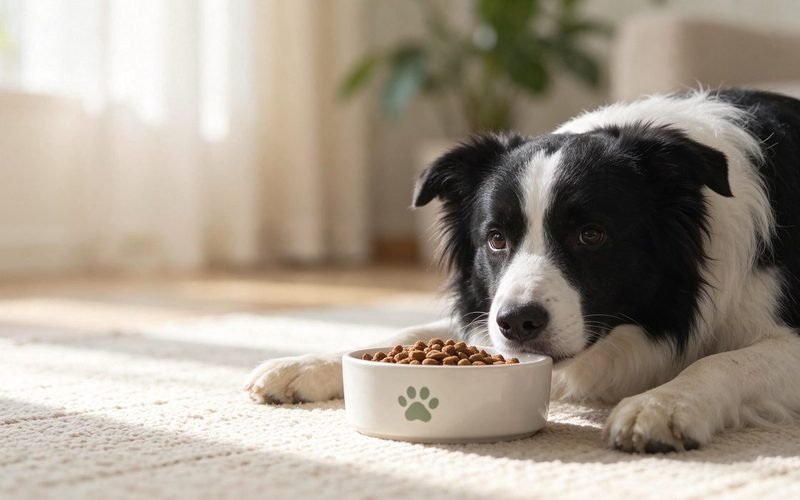
How much should I feed my dog?
Resting energy, life-stage multipliers, grams per day and the body-condition check that sets the final portion.
Dog age: why one human year is not seven
The 7× rule is a lifespan ratio. Here is the curve that fits the first two years and the breed-size slope after them.
Dog body condition score: the 60‑second check
Ribs, waist and belly on the 9-point scale — plus what a score of 4, 5 or 8 actually means.

How much water should a dog drink?
A 40–60 ml/kg baseline, what shifts it, and how to measure intake without guessing.
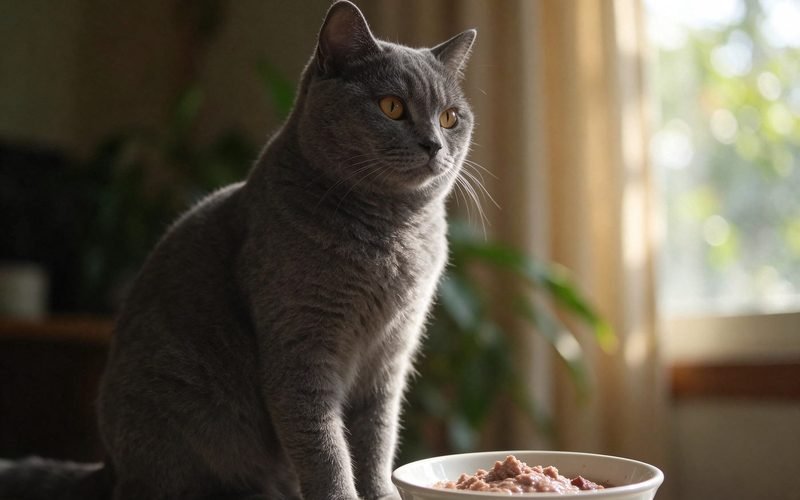
How much to feed a cat, by weight and age
Resting energy, life-stage multipliers, and what 259 kcal looks like in cans and grams.

Cat age in human years: a stage-by-stage map
The first two years, the four-year slope after them, and the care that changes at seven, eleven and fifteen.
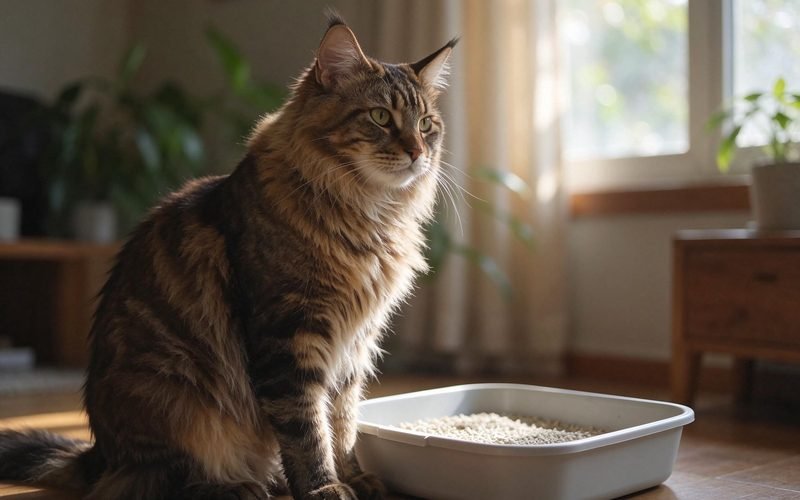
Why your cat misses the litter box
Medical red flags first, then box number, size, litter and placement — plus the calm way to retrain.

Senior cat losing weight: normal or a warning sign?
The 5% rule, muscle loss versus fat loss, and the diseases that should be ruled out after ten.
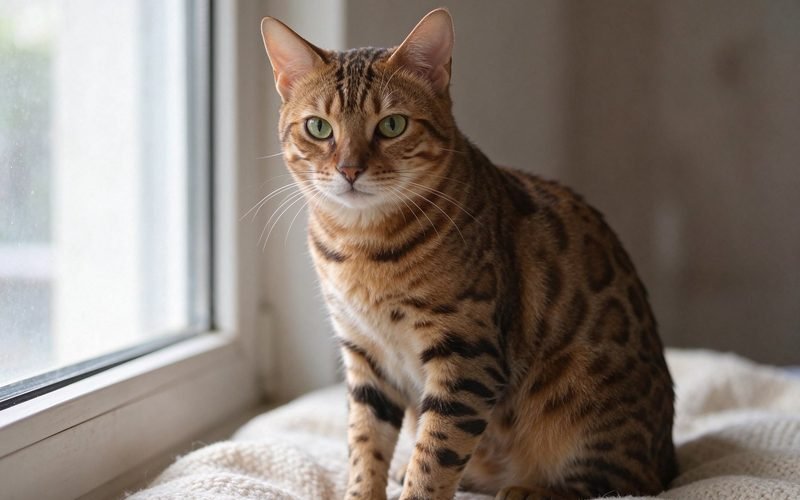
Cat vomiting: hairball or a red flag?
Vomiting versus regurgitation, how often is too often, and the signs that mean go now.
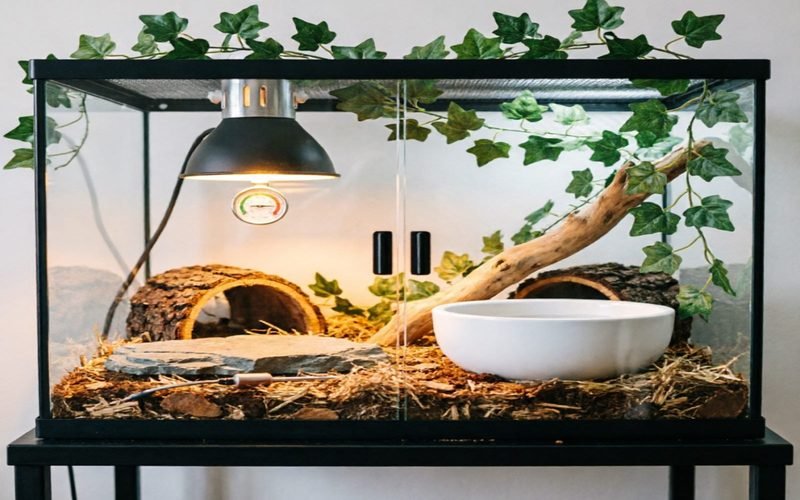
Snake humidity is a gradient, not one number
Where to measure, how to build the band, and the shed-cycle protocol that prevents retained skin.
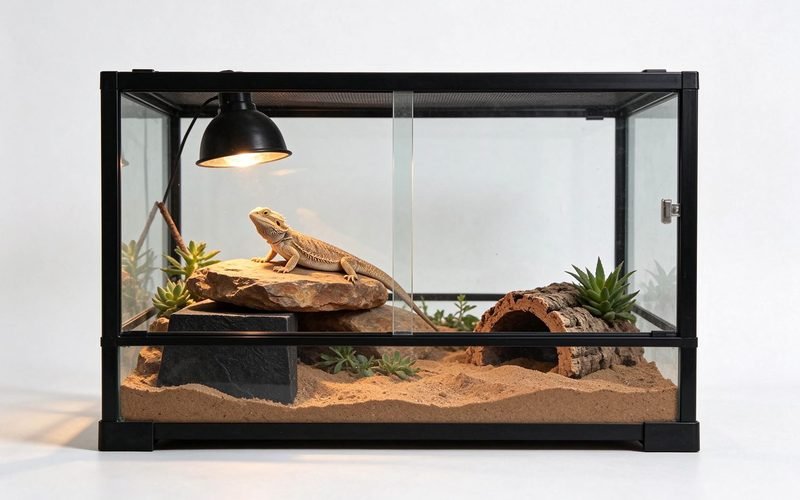
Bearded dragon tank setup: heat, UVB and a gradient
Adult enclosure size, a 42–45 °C basking surface, a 25–29 °C cool end and a UVB tube that is not filtered by glass.
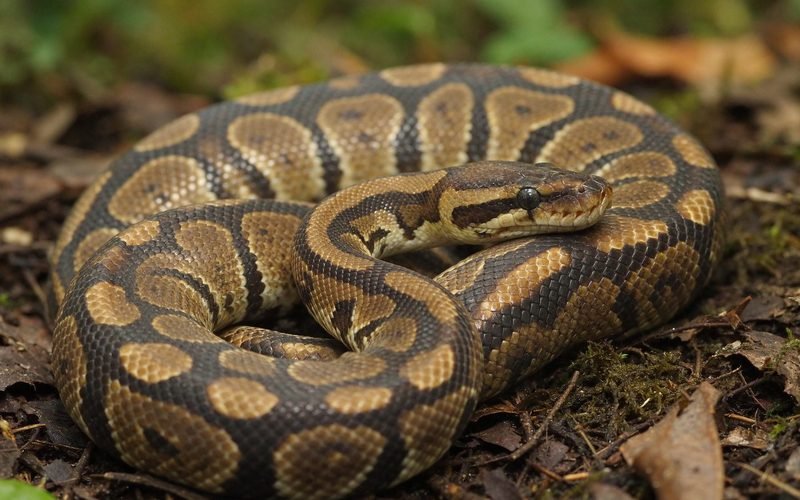
Ball python shedding: blue phase, humidity and stuck shed
A complete shed in one piece, a 70–85% shed bump, eye caps, tail tips and a safe retained-skin protocol.